SEO for Orthopaedic Clinics

Connect joint, spine and injury searches with your clinic’s services. We organise your website around the concerns your clinic assesses, the services it provides and the specialists involved. Visitors can move from researching a condition to understanding the consultation process and finding the appropriate location. Our work includes answer engine optimisation (AEO) and generative engine optimisation (GEO), strengthening clinically reviewed information for relevant questions in Google AI Overviews and other AI search experiences.

Founder with 10+ years in SEOBased in Noida, working across India

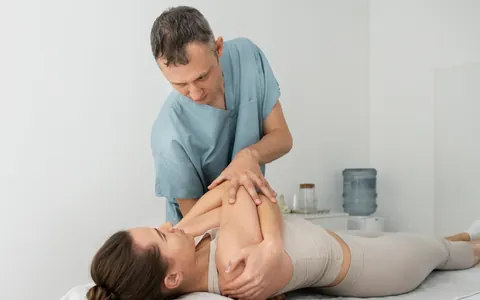
Clinician examining a patient’s raised arm and shoulder
Start with the patient’s search

Free SEO Audit

Share your website, clinic locations and areas of practice. We’ll assess whether visitors researching a joint, spine or injury concern reach useful information and an accessible consultation route.

  • Condition and procedure coverageCheck how the website connects concerns people research with the services your clinic offers.
  • Specialist and location informationReview professional profiles, consultation arrangements and the distinction between clinic and hospital locations.
  • Website and appointment journeyAssess mobile navigation, visible technical issues and the steps involved in requesting an appointment.
Meet the research need

Not every search starts with a procedure name.

Someone researching knee pain may not know which service to look for. Another person may arrive with a diagnosis or a procedure recommendation and need more detailed information. A website containing only surgery pages leaves the first journey unfinished. A website containing only general condition articles gives the second visitor little practical help.

We connect condition, injury and procedure information with the specialists and consultation arrangements behind it. Non-surgical care, surgery and rehabilitation receive descriptions that reflect the clinic’s actual services. For AEO and GEO, those connections support useful answers about assessment, services and the care process. The aim is relevant AI search visibility and accurate representation of the practice.

How people research orthopaedic care

  1. Describe the concern

    Search by joint, body area, condition or injury.

  2. Understand the service

    Read about assessment and the care options the clinic provides.

  3. Identify the specialist

    Check verified professional information and consultation locations.

  4. Prepare for an appointment

    Find the booking route and the clinic’s instructions about existing reports or records.

Who we work with

SEO built around your areas of practice.

The website should explain the work your team undertakes rather than imply expertise in every orthopaedic service.

  • Joint replacement practices

    Connected condition, assessment and procedure information for the services offered.

  • Spine clinics

    Clinically reviewed explanations of the concerns assessed and the treatment services available.

  • Sports injury practices

    Injury and service information linked with relevant specialists and rehabilitation arrangements.

  • Hospital orthopaedic departments

    Department and professional information that fits the hospital’s website and consultation structure.

Missing connections

Help visitors find the information relevant to their concern.

The page structure should support research without steering every reader towards the same treatment.

ProblemWhat the visitor encountersWhat we improve
The website starts with surgeryProcedure pages without useful information about the conditions assessed.Connected condition, assessment and procedure content.
Care options are poorly explainedLittle distinction between the services the clinic provides.Factual descriptions of surgical, non-surgical and rehabilitation services where offered.
Specialist roles are unclearGeneral biographies without relevant areas of practice or consultation details.Verified profiles connected with appropriate services and locations.
Appointment preparation is missingNo explanation of how to book or what existing information to bring.Practical consultation information based on the clinic’s actual process.
What the work covers

What our orthopaedic SEO service includes.

We connect the language people use when researching a concern with the services and professional information on your website.

Conditions and procedures

Support different stages of research with useful information.

  • Condition and injury pages

    Your search plan distinguishes joint, spine and injury topics according to the clinic’s services. We improve titles, headings, descriptions and internal links around those subjects.

    Content explains the concern and the clinic’s assessment approach using specialist-reviewed information. Related questions become part of our AEO and GEO work, without presenting a webpage as an individual diagnosis.

    Pages are added where they provide distinct value, rather than creating a separate article for every variation of a symptom search.

  • Procedure and care information

    Procedure pages explain the service, clinical considerations, limitations and follow-up arrangements using your team’s input.

    Relevant non-surgical care and rehabilitation information connect with these pages where the clinic provides those services. The structure explains the available care without suggesting that every visitor needs a procedure.

Specialists and clinic access

Connect the information with the people providing care.

  • Professional profiles and local information

    We organise verified qualifications, registration details, areas of practice and consultation arrangements into useful specialist profiles.

    Clinic pages and eligible Google Business Profiles reflect the actual locations and services. Consultation rooms, operating hospitals and rehabilitation facilities are distinguished where their roles differ.

  • Technical SEO and consultation journeys

    We address crawling, indexing, duplicate pages, redirects, internal links and mobile usability. Navigation connects conditions, procedures, specialists and locations without unnecessary repetition.

    Appointment routes and preparation information are checked on mobile. Instructions about existing scans or reports come from the clinic, with clinical documents handled through its designated systems.

Useful information, properly connected

Six elements of a useful orthopaedic condition page.

Each page needs a purpose beyond repeating the condition name.

Condition-page framework
  1. The concern explainedIntroduce the subject in plain language using reliable sources and specialist review.
  2. The assessment processExplain how the clinic approaches assessment without diagnosing the reader.
  3. Relevant care optionsDescribe the services the practice provides, with individual recommendations left to the consultation.
  4. The specialist involvedLink to verified professional information and appropriate consultation locations.
  5. Appointment preparationProvide the clinic’s instructions about existing records and what to expect from the visit.
  6. Clinical review and contactIdentify the responsible author or reviewer and provide an accessible appointment route.
SEO case studies

SEO work in practice.

A closer look at the challenges, decisions and outcomes behind our SEO work.

  • Therapist adjusting a patient’s shoulder on a treatment table

    SEO / Chiropractic

    400%+ growth in ranking keyword coverage

    Helping people find the clinic’s services

    The clinic needed stronger visibility for its services. Service-page improvements, refreshed content and internal linking supported broader ranking keyword coverage.

  • Person in a suit using a tablet beside a security shield graphic

    SEO / Employment screening

    150%+ increase in daily search impressions

    Daily impressions: 25 July vs 20 October 2026

    Connecting screening services with employer searches

    The website needed to explain its verification services more directly. Work focused on service-page targeting, technical SEO and content recommendations.

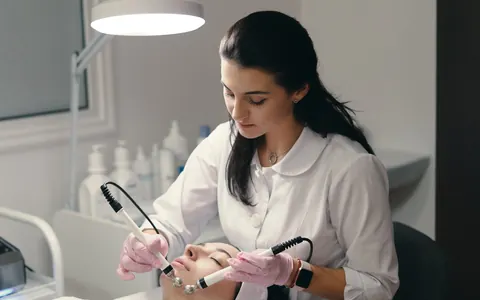
  • Practitioner giving a facial treatment with a handheld skin device

    SEO / Aesthetics

    200%+ growth in ranking keyword coverage

    Making treatments easier to find

    The clinic needed more complete treatment information and stronger search visibility. Treatment-page development, refreshed content and internal linking supported broader ranking keyword coverage.

View all case studies

How we work

Build the plan around your clinical services.

Search demand informs the priorities. Your team’s expertise determines what the website explains.

  1. Review the current structure

    Assess condition, procedure and specialist pages alongside location information, consultation routes and available search data.

  2. Agree the priorities

    Identify gaps between the services provided and the information available. Map relevant questions, including those encountered in AI-led research.

  3. Improve and connect

    Develop the agreed content with specialist review. Resolve technical issues and connect related services, professionals and locations.

  4. Review and refine

    Assess visibility and recorded consultation requests. Use the findings to improve existing pages and guide further work.

What helps us get started

  • The conditions, injuries and procedures within the practice’s scope.
  • Verified specialist and consultation-location details.
  • Appointment and preparation information.
  • Website access and a clinician responsible for reviewing content.

Priorities agreed with the practice

  • The condition and procedure information requiring attention.
  • How rehabilitation and other services are organised.
  • Which specialist and location details need improvement.
Measurement

Understand the searches behind consultation requests.

Reporting separates research activity, local discovery and recorded appointments.

  1. Condition, procedure and AI visibility

    Track relevant searches, impressions and visits across priority information pages. Once sufficient data is available, Search Console’s generative AI report shows impressions in Google AI Overviews and AI Mode.

  2. Local discovery

    Review location-page performance and available Google Business Profile interactions. Call-button clicks and direction requests remain distinct from confirmed conversations or visits.

  3. Consultation requests

    Measure submitted appointment requests separately from phone-link and WhatsApp actions. Keep reporting appropriately aggregated without including clinical histories or enquiry text.

  4. Appointment progression

    Use suitably limited practice records to distinguish submitted requests from confirmed and attended consultations.

Manish Kumar, founder of Leadsforge Tech
Meet the founder

Good marketing starts with understanding the business behind it.

Manish KumarFounder, SEO and digital marketing specialist

Manish Kumar has more than 10 years of experience in SEO and digital marketing, working across industries and markets including India, the UK and USA. He has also supported UK agencies through white-label SEO delivery.

FAQ

Orthopaedic SEO questions, answered.

Answers about condition pages, rehabilitation, AI visibility and getting started.

A team discussing a marketing plan around a table of notes

Information and discovery

Do we need condition pages as well as procedure pages?

Where they serve different research needs, both are useful. Condition information helps visitors understand the concerns the clinic assesses, while procedure pages explain specific services. We review existing content before recommending additions, avoiding multiple pages that repeat the same information for slightly different search phrases.

How should physiotherapy and rehabilitation fit into the website?

If the practice provides these services, they need accurate descriptions and appropriate links from related condition and procedure pages. The website should explain who delivers the service and where it takes place. An external referral arrangement should not be presented as an in-house facility.

How do AEO and GEO support an orthopaedic website?

Answer engine optimisation and generative engine optimisation improve how the website explains services and answers relevant questions. We strengthen clinically reviewed content, professional information and technical accessibility to support accurate representation in Google AI Overviews and other AI search experiences. Platforms choose their sources, so inclusion, citations and consultation requests are not guaranteed.

Cost, timing and getting started

What does orthopaedic SEO cost?

The scope depends on the website’s condition, service range, locations and content requirements. We assess those needs before setting out the work and fee. The engagement is priced for the agreed services rather than individual patient referrals.

How long does it take to see progress?

The starting position, competition, clinical-review process and changes required affect timing. We establish a baseline and assess relevant visibility and consultation-request patterns as the work develops. We do not promise a ranking date or a fixed appointment volume.

How do we get started?

Request the free SEO audit and share the website and practice locations. Tell us which services need better information and who reviews clinical content. We’ll identify the main gaps and recommend the first priorities.

Related support

SEO services connected with your practice.

Related SEO services

SEO work that supports this industry page.

  • On-Page SEO Services

    Content organisation and internal links connecting condition, procedure and professional information.

  • Local SEO Services

    Accurate business information and location pages for genuine practice locations.

  • AEO & GEO Services

    Content and technical foundations supporting relevant discovery and accurate representation in AI-led search.

Related industries

Businesses with similar customers or search journeys.

The next step

Connect your clinical services with useful website information.

Tell us about the practice, specialists and locations. We’ll recommend priorities for the content, local information and consultation journey.

  1. 01Share the goal
  2. 02Set the priority
  3. 03Agree the plan

info@leadsforgetech.com+91 93117 16609

Request your free SEO audit

Share your website and contact details so we can discuss the findings with you.

How can we contact you?

Add at least one.

This opens WhatsApp with your request filled in, ready for you to send.

See how enquiry details are handled in our Privacy Policy.

Prefer to talk first? Chat with us on WhatsApp